How to Write a Recruitment Agency Business Plan in 7 Steps (2026)
A recruitment agency business plan isn't just a document you file away and forget. It's the foundation that shapes every decision you make when launching, growing, and eventually selling your recruitment business.
A recruitment agency business plan isn't just a document you file away and forget. It's the foundation that shapes every decision you make when launching, growing, and eventually selling your recruitment business. Without a clear plan, you risk making costly mistakes that could have been avoided with proper preparation.
SSG Recruitment Partnerships helps recruitment entrepreneurs like you build strong business foundations from day one. This guide walks you through the essential steps to create a recruitment agency business plan that attracts clients, supports growth, and positions your agency for long-term success.
Quick Guide: How to Write a Recruitment Agency Business Plan in 7 Easy Steps
- Define your recruitment niche and services – Identify the specific market sector and service types your agency will focus on.
- Research your target market – Analyse your potential clients and candidates to understand their needs and challenges.
- Develop your unique value proposition – Articulate what sets your recruitment agency apart from others in the market.
- Create your financial projections – Map out startup costs, revenue forecasts, and cash flow requirements for the first three years.
- Outline your marketing and sales strategy – SSG Recruitment Partnerships recommends planning client acquisition approaches before launch.
- Plan your operational structure – Determine the systems, processes, and support you need to run your agency efficiently.
- Set milestones and success metrics – Establish measurable goals to track your progress and adjust your approach.
How to Create a Recruitment Agency Business Plan That Drives Growth
1. Define Your Recruitment Niche and Services
Your first step is choosing where to focus. Successful recruitment agencies typically specialise in specific sectors rather than trying to serve everyone. Consider your existing network, previous industry experience, and market demand when selecting your niche.
Think about the types of placements you want to make. Will you focus on permanent roles, temporary staffing, contract positions, or a combination? Each model has different revenue patterns and operational requirements. Permanent placements typically bring higher individual fees, while temporary staffing creates recurring revenue streams.
Research which sectors in your target geography have the highest demand for recruitment services. Healthcare, technology, and construction often show strong hiring activity, but your personal expertise and connections matter more than following trends. A niche you understand deeply will always outperform a hot market you know little about.
2. Research Your Target Market
Understanding your potential clients and candidates is essential for building a recruitment business that meets real needs. Start by identifying the types of companies you want to work with. Are you targeting SMEs, large corporations, or startups? Each segment has different expectations and budget levels.
Analyse your competition to identify gaps in the market. What do existing agencies in your chosen niche do well? Where do they fall short? These gaps represent opportunities for your agency to differentiate itself. Talk to hiring managers and job seekers in your target sector to understand their frustrations with current recruitment options.
Document your findings in your business plan. Include details about market size, growth trends, and the specific pain points you intend to address. This research forms the foundation for your marketing messages and service offerings.
3. Develop Your Unique Value Proposition
Your unique value proposition answers one critical question: why should clients choose your agency over the dozens of others in your market? This isn't about generic claims like "great customer service" or "quality candidates." Every recruitment agency says that.
Instead, focus on specific, tangible benefits you bring to clients. Perhaps you have extensive candidate networks in a particular technical discipline. Maybe you offer faster fill times because of your streamlined processes. Your value proposition should be something clients can verify and competitors cannot easily copy.
SSG Recruitment Partnerships helps partners develop clear value propositions that resonate with their target markets. The strongest propositions combine your personal expertise, your agency's operational capabilities, and a deep understanding of client needs into a compelling message.
4. Create Your Financial Projections
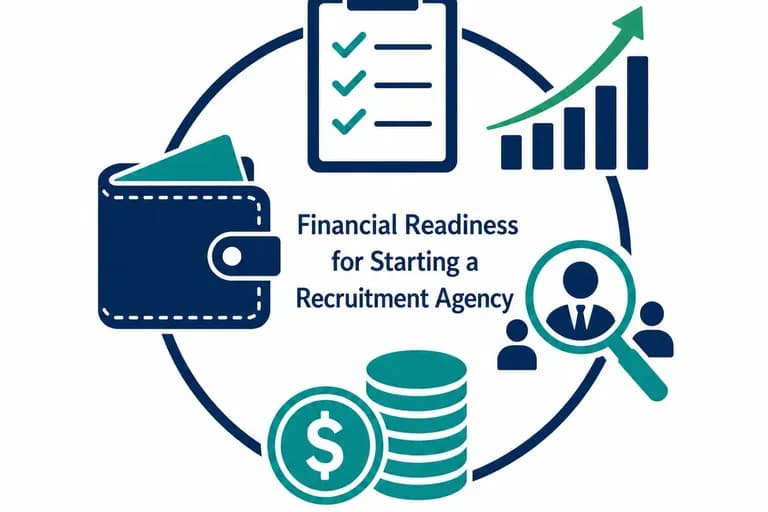
Financial planning separates successful recruitment startups from those that run out of cash before they gain traction. Your business plan needs realistic projections for startup costs, monthly expenses, and revenue timelines.
Start by listing all your initial expenses. These typically include company registration, professional indemnity insurance, technology subscriptions, marketing materials, and working capital to cover your living expenses before revenue starts flowing. Most recruitment entrepreneurs underestimate how long it takes to receive their first placement fee.
Build three-year revenue projections based on conservative placement assumptions. Consider your average fee per placement, realistic conversion rates from client meetings to job orders, and the time required to build your candidate pipeline. Include cash flow forecasts that account for payment terms. Most clients pay 30-60 days after invoice, which affects your working capital needs.
5. Outline Your Marketing and Sales Strategy
Your marketing and sales plan describes how you'll attract clients and candidates to your agency. This section should cover both initial launch activities and ongoing business development approaches.
For client acquisition, consider which channels will reach your target market most effectively. LinkedIn outreach, industry events, content marketing, and referral programmes each have different costs and conversion rates. Your plan should specify which approaches you'll prioritise and how you'll measure their effectiveness.
Candidate attraction deserves equal attention. Your ability to find qualified candidates quickly is what makes clients come back. Plan your job board strategy, social media presence, and network-building activities. Document the specific steps you'll take in your first 90 days to build a candidate database in your chosen niche.
6. Plan Your Operational Structure
Running a recruitment agency involves more than making placements. You need systems for candidate management, client relationship tracking, invoicing, compliance, and financial administration. Your business plan should address how you'll handle each of these functions.
Technology choices matter significantly. An applicant tracking system (ATS) or CRM helps you manage relationships and workflows efficiently. Consider your options carefully before committing to long-term contracts. The right tools make you more productive, while the wrong ones create friction.
Many recruitment entrepreneurs underestimate the time required for back-office tasks. Accounting, payroll processing, credit control, and legal compliance can consume hours that would be better spent on billing activities. Consider whether outsourcing these functions makes sense for your situation.
7. Set Milestones and Success Metrics
Your business plan needs clear milestones and metrics to track progress. Without these benchmarks, it's difficult to know whether you're on track or need to adjust your approach.
Set specific, time-bound goals for your first year. Examples include: number of new client meetings per month, time to first placement, revenue targets by quarter, and candidate database size. Review these metrics regularly and adjust your activities based on what the data tells you.
Include longer-term milestones as well. Where do you want your agency to be in three years? Five years? These goals inform decisions about hiring, investment, and growth strategies. They also become valuable if you later seek funding or partnership opportunities.
What Should Be Included in a Recruitment Agency Business Plan?
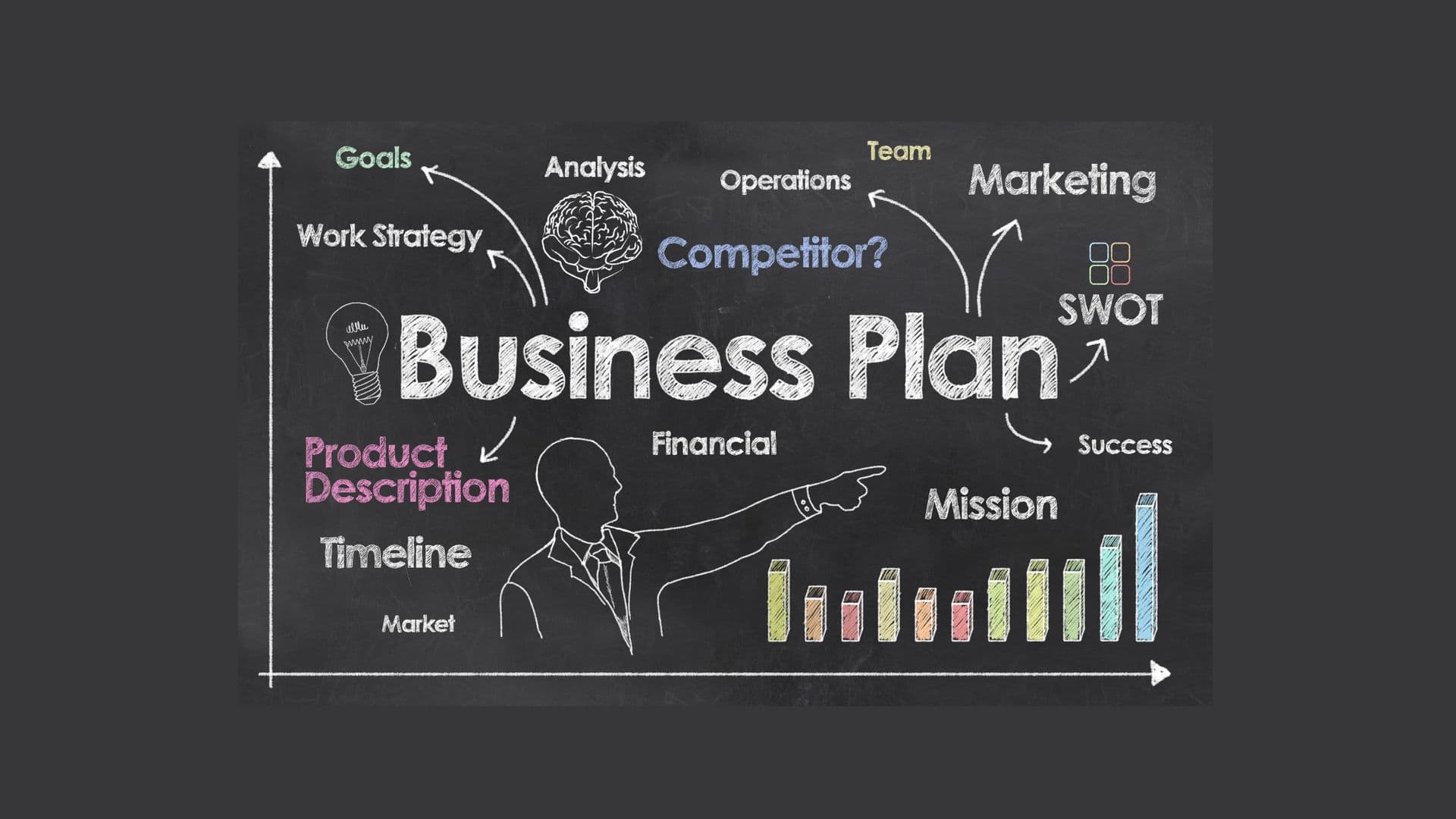
A complete recruitment agency business plan covers seven core sections. Your executive summary gives readers a quick overview of your agency's goals and differentiators. The market analysis demonstrates your understanding of the sector you're entering.
Your services section details the types of recruitment you'll offer and your fee structures. The marketing and sales plan explains how you'll generate business. Financial projections show your expected costs, revenue, and profitability over time.
Include an operational plan describing your day-to-day processes and technology stack. Finally, a risk assessment identifies potential challenges and your strategies for addressing them. Each section builds confidence that you've thought through the realities of running a recruitment business.
How Long Does It Take to Create a Recruitment Business Plan?
A thorough recruitment agency business plan typically takes two to four weeks to develop. The research phase often requires the most time. You need to gather market data, analyse competitors, and validate your assumptions about client and candidate needs.
Don't rush through the financial projections. These numbers become your roadmap for the first year of operations. Spending extra time ensuring they're realistic prevents nasty surprises when your cash flow doesn't match your expectations.
SSG Recruitment Partnerships works with partners to develop their business plans during the launch process. This collaborative approach ensures your plan reflects both your ambitions and practical market realities, giving you a document that actually guides your decisions.
How SSG Recruitment Partnerships Helps You Build a Successful Recruitment Business
Writing a business plan is just the beginning. Executing that plan while managing all the operational complexities of running an agency is where many recruitment entrepreneurs find themselves overwhelmed. SSG Recruitment Partnerships exists to remove those obstacles.
As the market leader in supporting recruitment business founders, SSG Recruitment Partnerships invests in your success from day one. Partners receive mentoring from experienced recruiters, access to back-office support covering accounting, legal, and IT functions, and a community of over 500 recruitment business owners to learn from.
The partnership model means you retain 100% equity in your business while benefiting from collective buying power and established infrastructure. Partners who work with SSG are 2.9 times more likely to succeed compared to recruiters who go it alone. If you're serious about building a recruitment business, book a conversation to explore how SSG can support your ambitions.
FAQs About How to Write a Recruitment Agency Business Plan
How much does it cost to start a recruitment agency in the UK?
Startup costs for a UK recruitment agency typically range from £5,000 to £20,000, depending on your setup. Major expenses include company formation, insurance, technology subscriptions, and initial marketing. The biggest variable is working capital to cover your living expenses until you receive your first placement fees, which SSG Recruitment Partnerships can help you address through its funding support.
Do I need a business plan to start a recruitment agency?
While not legally required, a business plan significantly increases your chances of success. It forces you to think through critical decisions before you spend money or time on the wrong activities. SSG Recruitment Partnerships helps partners create practical business plans as part of the launch process, ensuring you start with clear direction and realistic expectations.
What makes a recruitment agency business plan successful?
Successful recruitment business plans share three characteristics: they're based on genuine market research rather than assumptions, they include realistic financial projections with appropriate contingencies, and they're treated as living documents that get updated as circumstances change. The best plans also address operational challenges honestly rather than glossing over them.
How do I choose a niche for my recruitment agency?
Choose a niche where you have existing expertise, connections, and genuine interest. Your network of candidates and client relationships gives you a head start that general recruiters lack. SSG Recruitment Partnerships advises partners to select sectors where they can add real value through industry knowledge rather than chasing whatever market seems hottest at the moment.
Can I start a recruitment agency from home?
Yes, most recruitment agencies start as home-based businesses. You need reliable internet, a professional phone setup, and a quiet space for client calls. The recruitment industry has moved significantly toward remote operations, making home-based agencies entirely viable. SSG Recruitment Partnerships supports home-based partners with the same resources and infrastructure available to those with traditional office setups.
What financial projections should my recruitment business plan include?
Your business plan should include startup costs, monthly operating expenses, revenue forecasts for at least three years, cash flow projections, and break-even analysis. Be conservative with revenue estimates and generous with expense projections. SSG Recruitment Partnerships works with partners to develop financial plans that reflect market realities and account for the time needed to build a sustainable client base.

-768x512.webp&w=3840&q=75)